
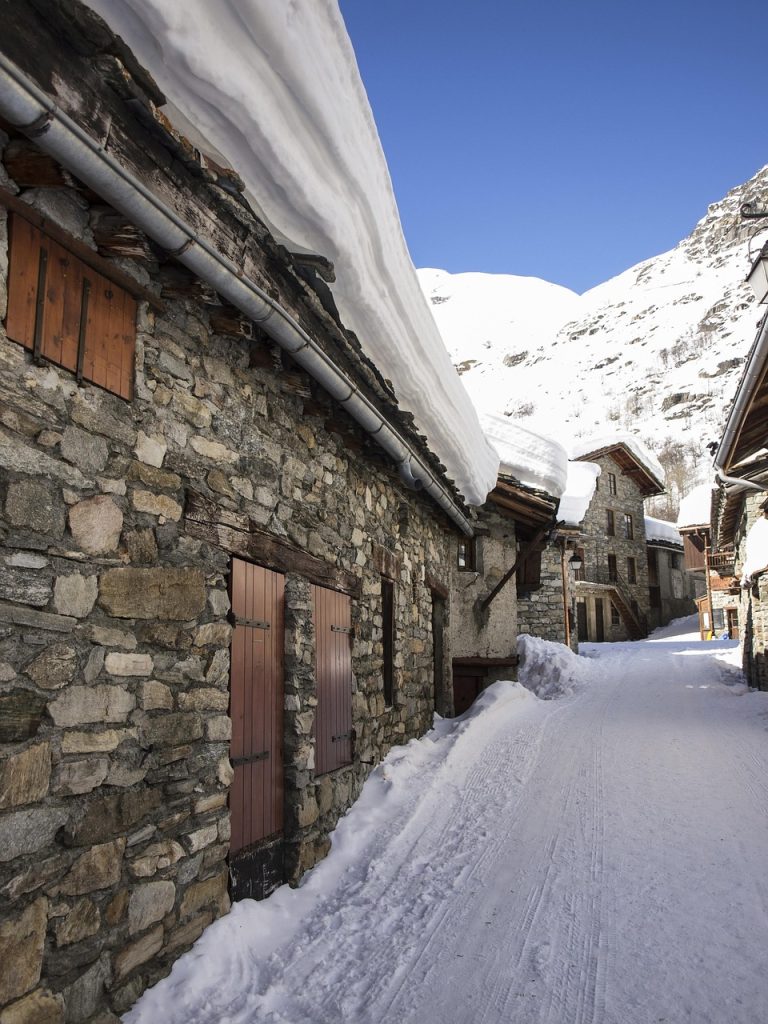
High-Altitude Mastery: Selecting the Right Alpine Peak
The Quick Answer: Why does altitude matter for a premium experience?
In a changing climate, a premium experience is guaranteed by high-altitude terrain (above 2,000m). Skiing “above the treeline” means you are on glaciers or high-alpine bowls where the snow stays colder, crisper, and deeper, even in late March. Lower-altitude resorts (under 1,500m) risk “slushy” afternoons or closed runs near the village.
The Mountains: A Country-by-Country Terrain Guide
1. Switzerland: The High-Altitude Fortresses
Switzerland dominates the “snow-sure” market because its skiable terrain is consistently higher than its neighbors.
- Zermatt (The Matterhorn Glacier Paradise):
- Max Altitude: 3,883m (Highest in Europe).
- Terrain: Massive, open, glacial plateaus. It is 100% above the treeline.
- Best for: Intermediates who want “hero snow” and guaranteed winter conditions.
- St. Moritz (The Corvatsch & Corviglia):
- Max Altitude: 3,303m.
- Terrain: The “Champagne Climate” means dry, powdery snow. High-alpine bowls with very few trees.
- Best for: High-speed carving and sun-seekers.
2. France: The Interconnected Giants
France is built on “purpose-built” high-altitude stations. You often sleep at 1,800m and ski at 3,000m+.
- Val Thorens (The 3 Valleys):
- Max Altitude: 3,230m (Village itself is at 2,300m).
- Terrain: A vast “amphitheater” of white. No trees in sight. You are skiing in a high-alpine moonscape.
- Best for: Pure snow volume and total ski-in/ski-out convenience.
- Val d’Isère & Tignes:
- Max Altitude: 3,450m (Grande Motte Glacier).
- Terrain: Rugged, steep, and world-class. Known for its “Grand Vallon” off-piste.
- Best for: Advanced skiers who want vertical drop and glacial reliability.
3. Austria: The Treeline Specialists
Austrian mountains are generally lower in altitude but utilize the most advanced snow-making and “micro-climate” geography in the world.
- Obergurgl-Hochgurgl (The “Diamond of the Alps”):
- Max Altitude: 3,080m.
- Terrain: One of the few Austrian resorts where the village is above the treeline (1,930m).
- Best for: Families looking for guaranteed snow from November to May without the “edge” of the French giants.
- St. Anton (Arlberg):
- Max Altitude: 2,811m (Valluga).
- Terrain: Steep, challenging, and famous for “The White Thrill.”
- Best for: Experts. Note that much of the skiing here descends into the trees, which provides great visibility during snowstorms.
4. Italy: The Scenic Sculptures
Italy offers a mix of high-altitude glaciers and stunning UNESCO-protected limestone peaks.
- Cervinia:
- Max Altitude: 3,480m (Connects to Zermatt).
- Terrain: High, sunny, and wide-open. It is virtually all above the treeline.
- Best for: Intermediates who want the altitude of Switzerland with the warmth and pasta of Italy.
- The Dolomites (Val Gardena / Cortina):
- Max Altitude: 3,269m (Marmolada Glacier).
- Terrain: Dramatic vertical walls and “Hidden Valleys.”
- Best for: Scenic cruising. Note: Most Dolomite skiing is between 1,500m and 2,300m, but their snow-making is the best in the world.
Altitude Comparison Table: 2026 Snow Security
| Mountain / Area | Village Height | Peak Height | Treeline Status | Snow-Sure Rating |
| Zermatt (CH) | 1,620m | 3,883m | Mostly Above | 5/5 |
| Val Thorens (FR) | 2,300m | 3,230m | Entirely Above | 5/5 |
| Sölden (AT) | 1,377m | 3,340m | Glacial Peaks | 4/5 |
| Cervinia (IT) | 2,050m | 3,480m | Entirely Above | 5/5 |
| Kitzbühel (AT) | 762m | 2,000m | Below/Mixed | 2/5 (Late season risk) |
The AlpLux Strategy Note
“A ‘Premium Experience’ is ruined by ice or rocks. If you are booking for March or April, we steer you toward Zermatt, Val d’Isère, or Obergurgl. If you want the cozy, tree-lined aesthetics of a winter wonderland in January, we look at Lech or Megève. We don’t just pick a name; we pick a height.”